
INGOs in a changed world order
Peter Konijn
The future of international NGOs depends on what the post-western world will look like in ten years from now. The nature of the post-western world...




The future of international NGOs depends on what the post-western world will look like in ten years from now. The nature of the post-western world...

Can INGOs harness the energy currently focused on demonstrating “results” to instead focus on the priorities of those their mission ultimately serv...

The Broker is hosting a new debate titled ‘Future Calling’ and we warmly invite you – also on behalf of Hivos - to contribute.Our world is changing...
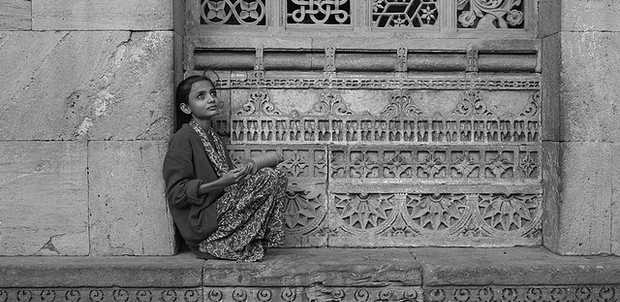
What is the right thing to do when you reach sixty? This is a question that many NGOs, which were founded in the burst of internationalism that fol...
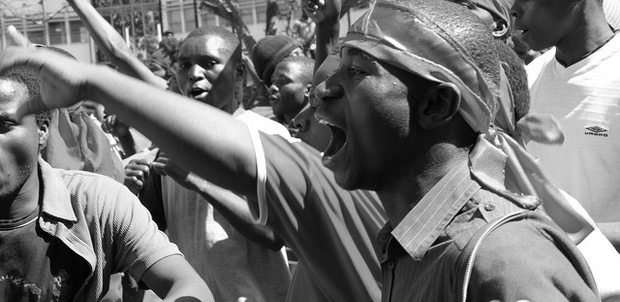
My contribution to the future role of international NGOs will be based on my experience as an African development practitioner. The key causes of p...

The future is calling!
Our world is changing quickly and profoundly. Rich and poor – regardless of where they live – are faced with increasingly ‘thick’ problems and social change is more politicized and contested than ever before. And yet, most international development NGOs keep offering ‘thin’ solutions to these problems. Solutions geared to measurable material success. Solutions that are aimed at increasing participation in unsustainable economies and polities.
The Broker is hosting a debate to discuss the future of INGOs in a changing global world. This debate takes place in the context of the Hivos knowledge initiative Future Calling.
The kick-off of this debate is given by Michael Edwards, who argues that INGOs should challenge themselves to leave behind the trodden path and contribute to a fundamental change of economies and societies. In his think piece titled ‘Development INGOs – retirement, replacement or rejuvenation?’ he poses the questions that inform our debate:
- Is it time for INGOs to leave behind the task of strengthening their leverage within a conventional development frame? How can they broaden their perspective to respond to the thick problems of our time?
- How can INGOs rejuvenate themselves and seize the opportunities for being the much-needed agents of transformation?
- Or is it perhaps time for INGOs to retire? Should they be replaced by other institutions or movements that better fit the messy political challenges of our day?
You are warmly invited to join the debate! We welcome your personal and critical reflections on the future of INGOs, phrased in 500 words (max. 1000) and with a short bio and picture for your author profile.
You can send your contributions to [email protected].
Join us and join Hivos in this exploration of the future.

I recently chaired a forum that discussed whether a new paradigm has emerged in the field of development cooperation, and if so, what does it consist of?
read moreThe NGO community agrees that the foreign aid frame is no longer a viable option, even if that means that NGOs have to evolve into something else.
read moreINGOs are at a crossroads. Caught up in a tide of technocracy, they have become increasingly managerialist – ‘outsider’ experts disconnected from the real struggle.
read moreINGOs need to intensify their support to, or even become part of, global social movements if they want to introduce structural change.
read moreContributors to The Broker’s blog ‘Future Calling’.
read more
‘The biggest failure of civil society organizations is their complete lack of political imagination,’ says Rakesh Rajani. ‘NGOs are bankrupt.

NGOs have been joining forces to increase their effectiveness. They need to form alliances with social movements as well, however, to avoid working in isolation from broader social currents.
Praful Bidwai examines articles and blog posts by The Broker to discuss the disconnect between gross domestic product and social progress.


The pursuit of endless growth and the ensuing global financial crisis have eroded public trust in economic policy. As a result, an increasing number of economists...
International development, humanitarian and military interventions aim to bring about change, but with mixed results. The fields of change management and complexity...
Implementing institutional change without a deeper understanding of the rules systems at its core is likely to fail. Policy makers need to acknowledge the...

How can international development NGOs reshape themselves to contribute solutions to the thick problems of the future - which are knocking on our door right...



Our world is changing quickly and profoundly. Rich and poor – regardless of where they live – are faced with increasingly ‘thick’ problems and social change is more politicized and contested than ever before. And yet, most international development NGOs (INGOs) keep offering ‘thin’ solutions to these problems. Solutions geared to measurable material success. Solutions that are aimed at increasing participation in unsustainable economies and polities.
download
What is the right thing to do when you reach sixty? This is a question that many NGOs, which were founded in the burst of internationalism that followed the end...
Quite a lot of thinking, deliberating and visioning about the future of NGOs, INGOs and civil society is happening by different organizations and at different fora.