
Subscribe
Inequality is at the heart of the debate of how to create a more sustainable world.
What level of inequality is acceptable? To answer this question relies on how we measure inequality.
The notion of sovereign equality as the foundation of the international legal order is showing ever more creaks and squeaks.
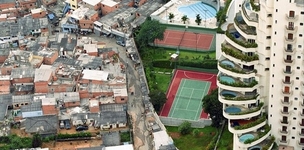
In recent decades, inequality has been increasing worldwide. Although the middle classes are growing, most of the world’s population continues to live close…
Now economists more and more accept the idea that inequality is rising in most parts of the world and harms sustainable economic growth, the obvious next ste…
Inequality hinders sustainable economic growth, allows the rich a disproportionate share of political power, and fosters violence and criminality.
How are inequality and conflict connected? What policies can prevent conflict? Just an economic perspective is clearly not enough.
Food price hikes, natural disasters, environmental degradation, and financial crises share at least two things in common: They’re on the rise, and they unequally burden the poor.
Inequality of opportunity provides a helpful way of framing the debate, particularly so as it shows the agreement that circumstances should not prohibit the fulfillment of talent.
The global development framework for the coming years cannot ignore global inequality if it should constitute a relevant and legitimate set of development goals in a globalised world.
The debate on a post-2015 inequality target is missing a fundamental point: what inequality would we like to eliminate?
For a national policy maker it is possible to think about raising the income levels of the bottom 10% or 20% toward the middle of the distribution.
Given the over-sensitivity of the Gini to the middle of the distribution, and the insensitivity of the Palma, policymakers could consider a choice between the…
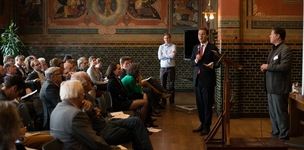
The central theme of The Broker Day 2014 on 14 April was employment and inequality, and the structural macroeconomic problems underlying them.