
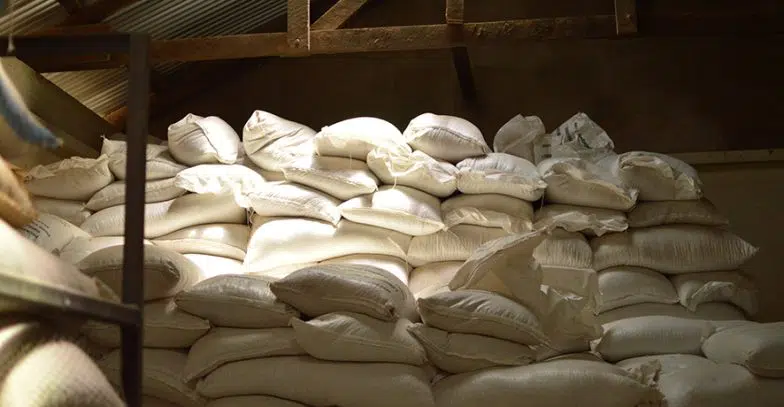
Inclusive business models are increasingly called upon as a solution to the multiplex challenges of poverty and inequality while at the same time providing companies opportunities for profitability. However, a review of the literature shows that the development impact of inclusive business models is often uncertain and that it is important both for inclusive business partners and donors to track this impact carefully to ensure the benefit of inclusive business for low-income communities.
access_time 4 – 6 min
13 April, 2022
label_outline Inclusive Economy
person Marijn Faling Greetje Schouten
bookmark Magazine

What can a gender analysis teach us about the nature of Troika’s economic adjustment programs (EAPs) in Greece? Most importantly, the Troika has been found…
access_time 7 – 9 min
6 September, 2021
label_outline Employment & Income
person Martha Kapazoglou
bookmark Magazine
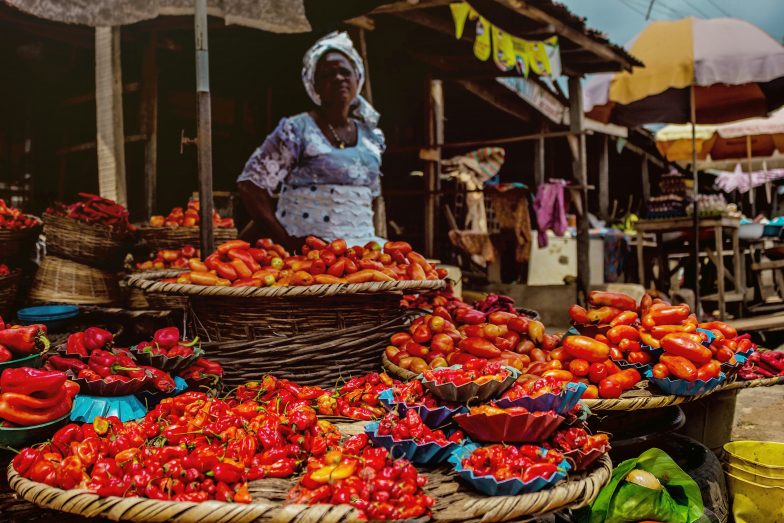
New insights into cash transfer programming as a tool to realize food security in fragile settings.
28 January, 2021
label_outline Cash Transfers for Food Security
bookmark Project

An old joke has it that nostalgia is not what it used to be. In the same perspective, the future of the world economy is not what it used to be either, as the striking rise in COVID-19 pandemic rolls on.
access_time 5 – 7 min
3 December, 2020
label_outline Inclusive Economy
person Hilary Nwokeabia
bookmark Magazine

Accepting multiple worldviews could lead to greater understanding, convergence of ideas and solidarity.
access_time 7 – 9 min
30 November, 2020
label_outline Inclusive Economy
person Dorine van Norren
bookmark Magazine

The Dutch private sector operations in Kenya can contribute to (some) poverty and inequality reduction, and, consequently, to inclusive development (ID). This was one of…
20 October, 2020
label_outline Development Policy
person Agnieszka Kazimierczuk
bookmark Magazine